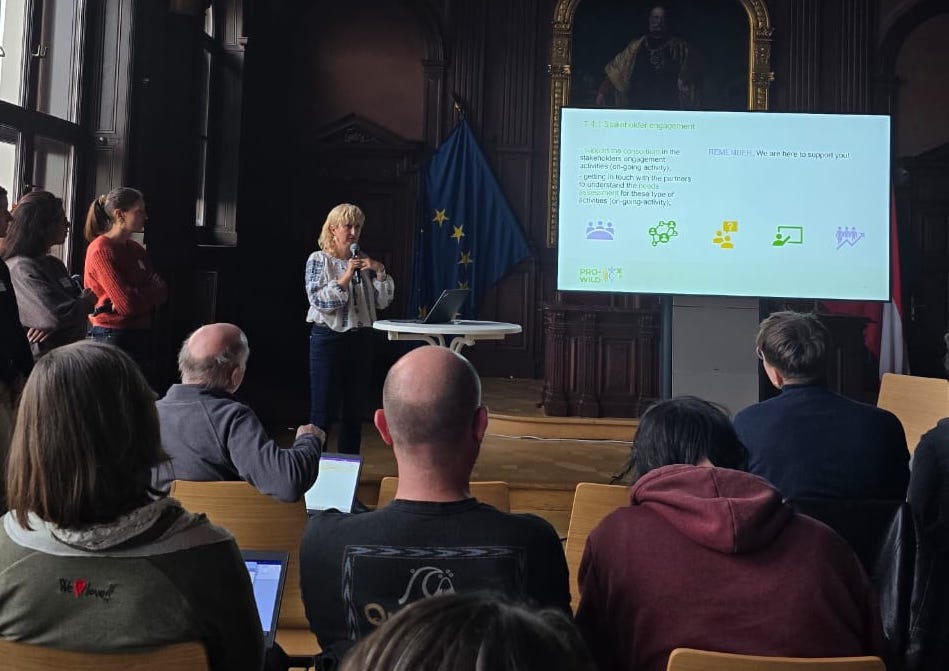
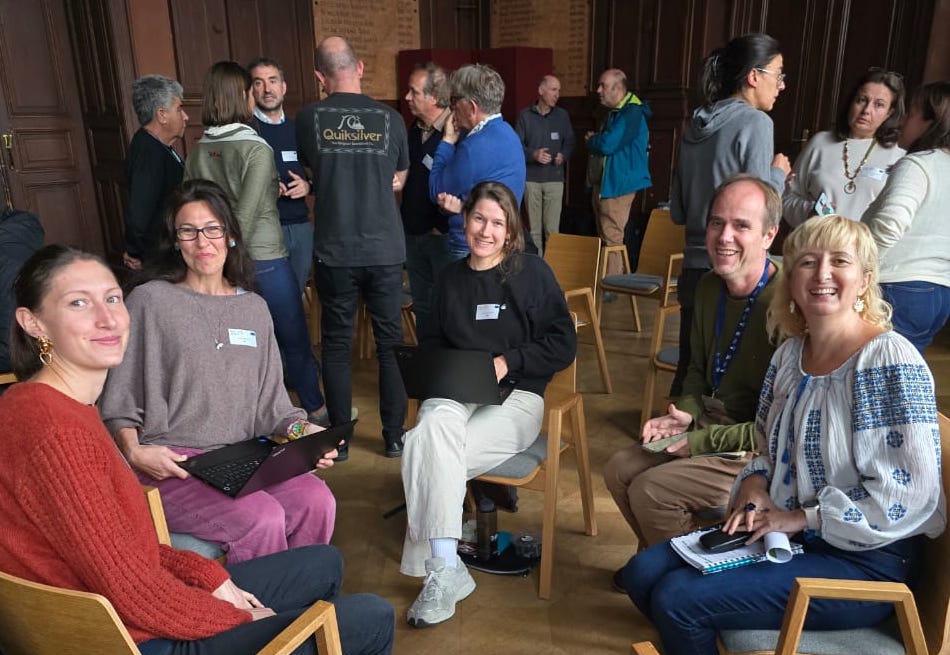
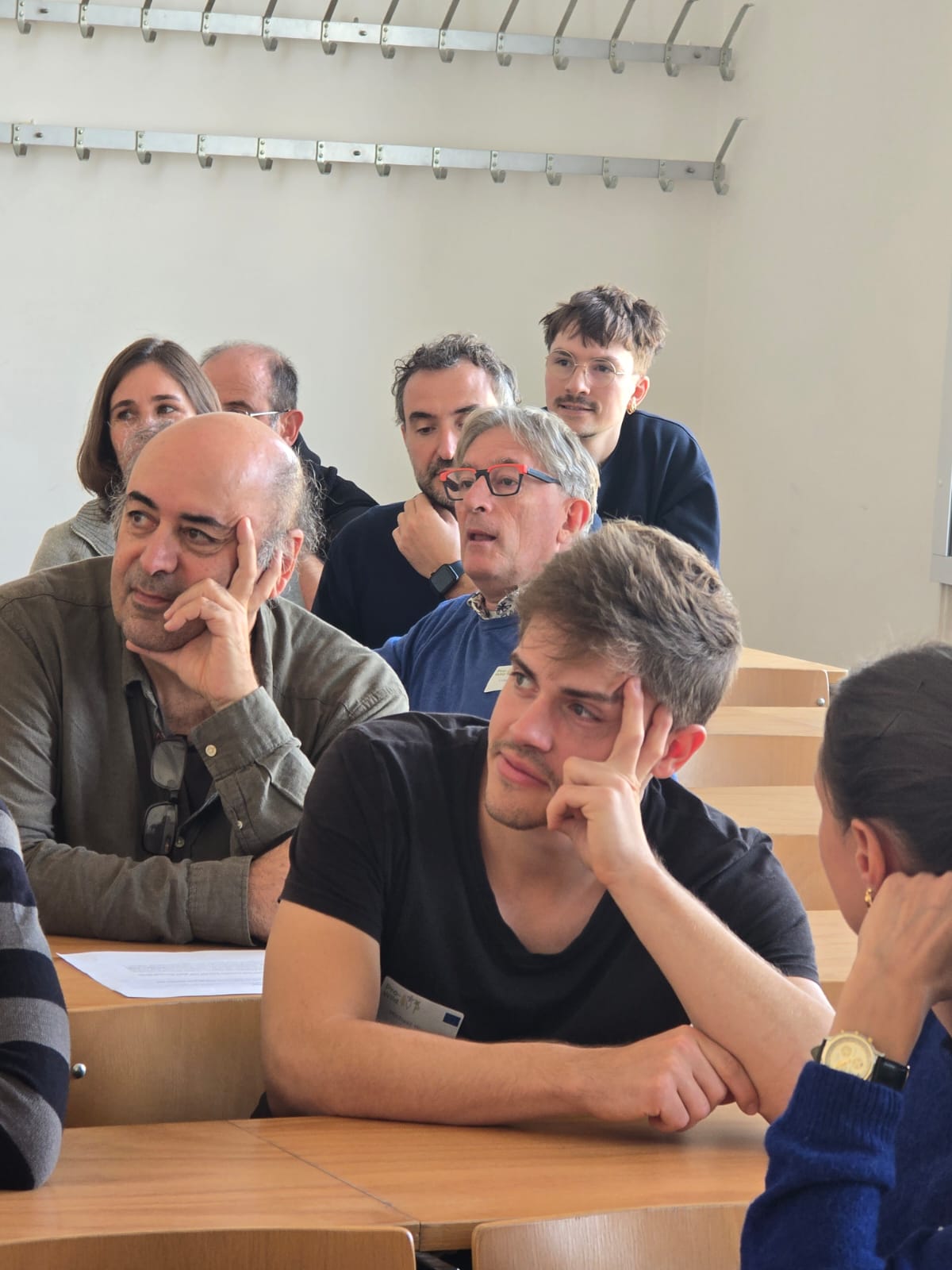
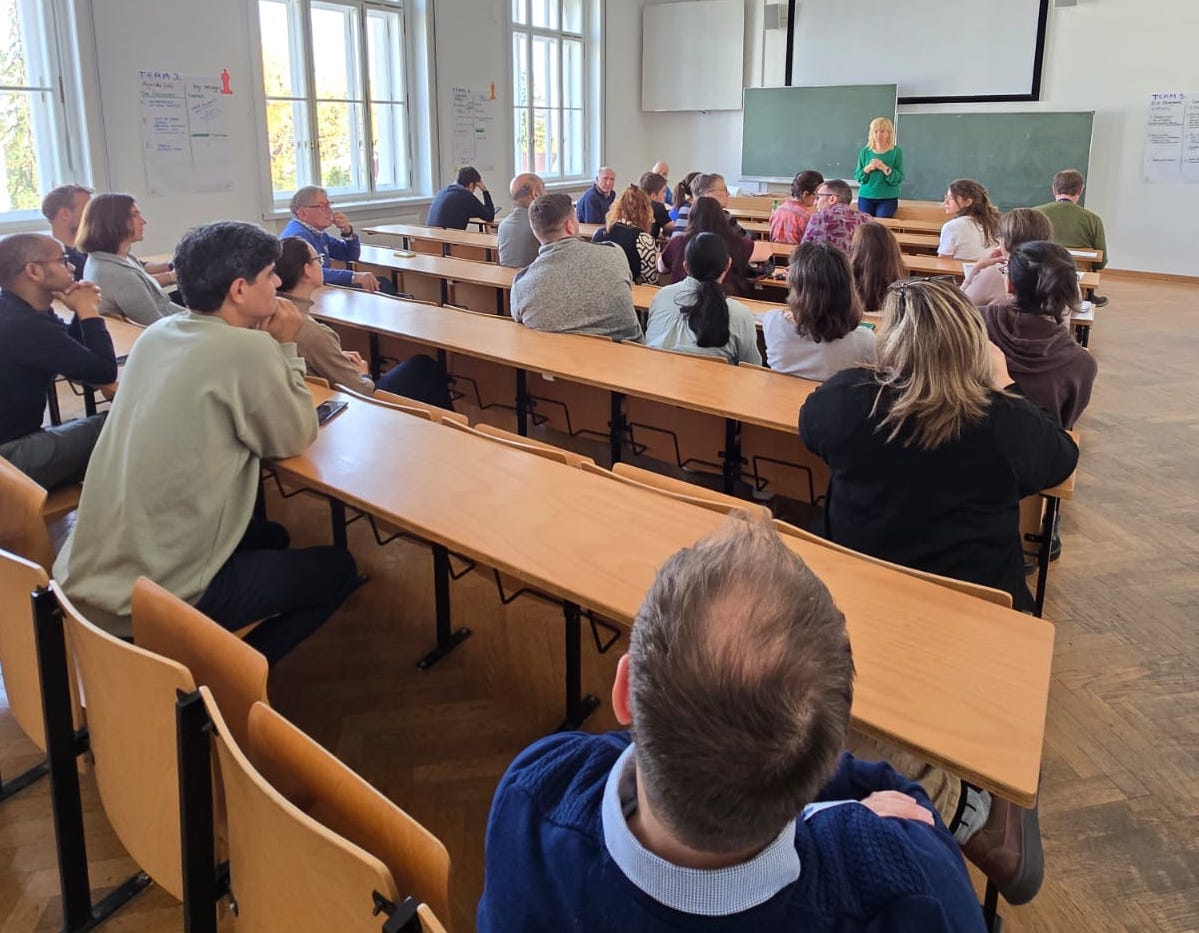
The journey for the EU-funded PRO-WILD: Protect and Promote Crop Wild Relatives officially had the second meeting last week in Vienna, where over 40 participants gathered for two days of intense collaborative work.
The objective of PRO-WILD is to protect and promote wild relatives of wheat, sugar beet, and oilseed rape, harnessing their valuable traits to improve nutritional quality and resilience to biotic and abiotic stresses. By focusing on these key crop species (wheat, sugar beet, and oilseed rape), the project aims to secure the future adaptability of European agriculture.
Highclere Consulting (HCC) played a pivotal role during the meeting, leading sessions designed to build internal capacity and ensure the project’s innovative research translates effectively into real-world impact.
The scientific results are undeniably the backbone of PRO-WILD, providing the crucial knowledge for developing new, climate-resilient varieties. However, HCC’s expertise in stakeholder engagement is vital: it enhances the scientific results by ensuring they are not only technically sound but also relevant, feasible, and accepted by end-users. Reaching the final users—the farmers and breeders, and not only them—is paramount, as their adoption of the new varieties is what guarantees the research results will be utilized and create lasting impact long after the project concludes.
From icebreakers to impact: building collaboration skills
HCC ran a dynamic training program that centered on practical, hands-on application:
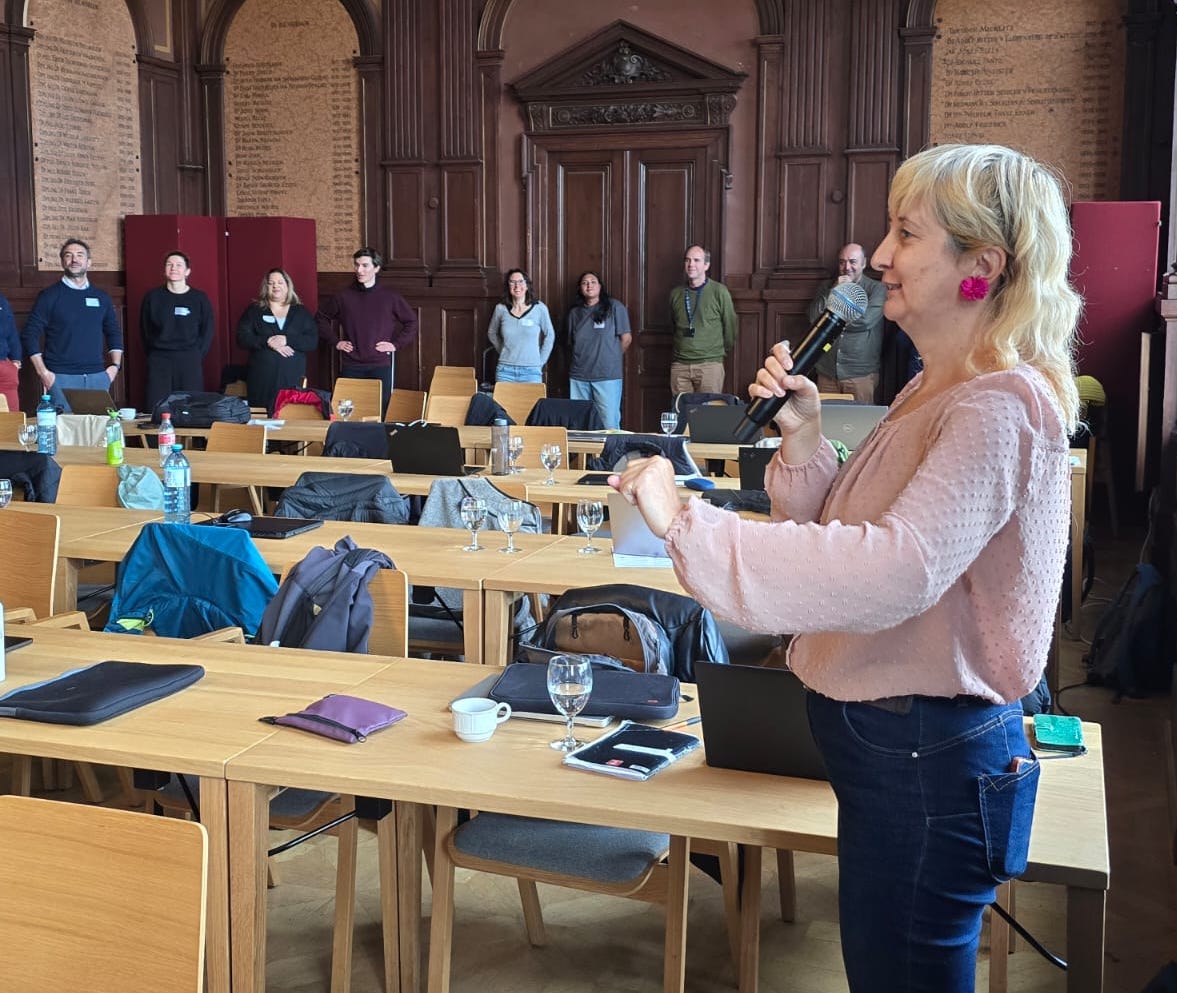
Energizer techniques: HCC introduced partners to some facilitation techniques: quick, engaging energizers. These short activities are crucial for maintaining focus, boosting group energy, and fostering rapid connections among participants during long meetings. This skill is vital for turning large gatherings into productive, collaborative environments.
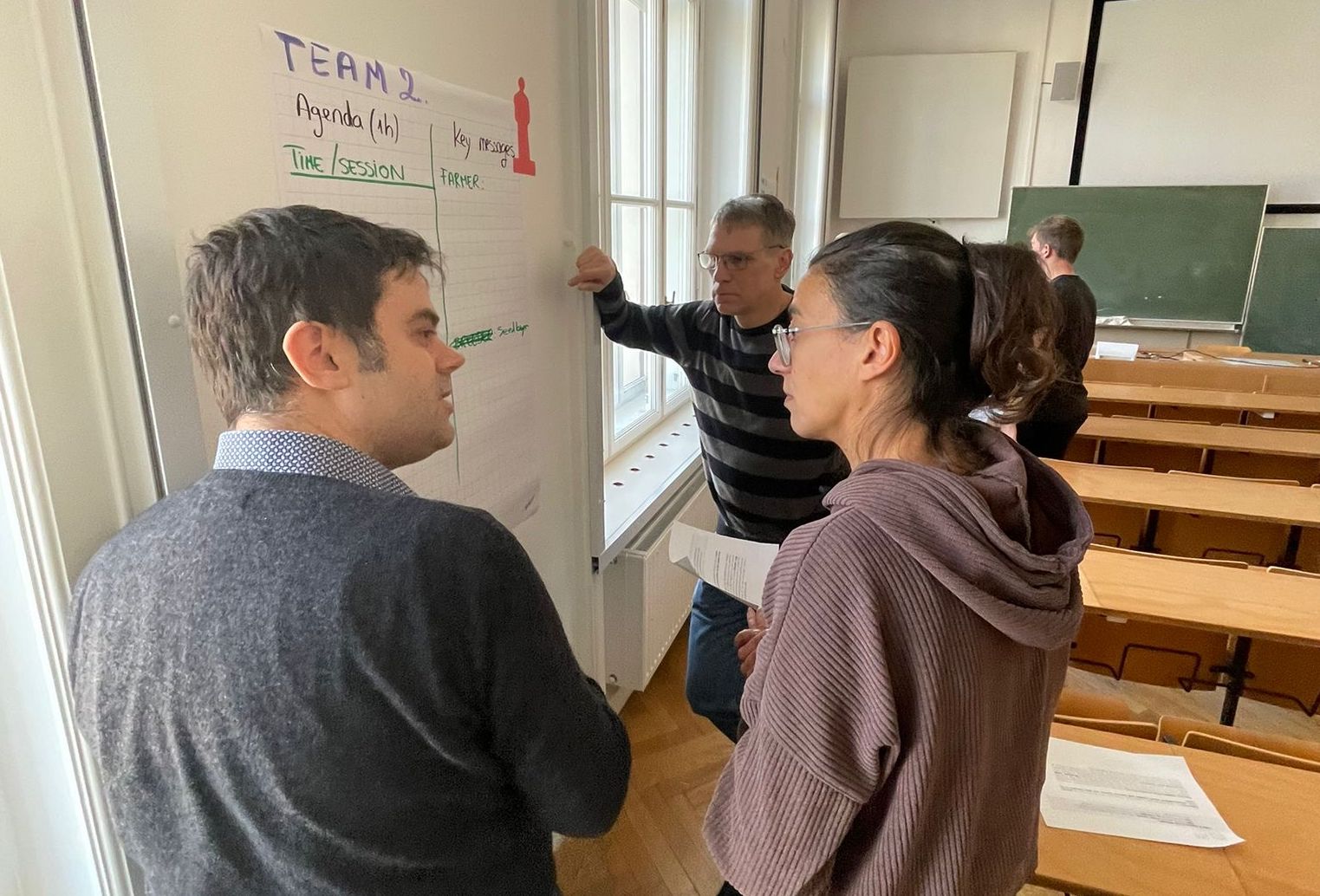
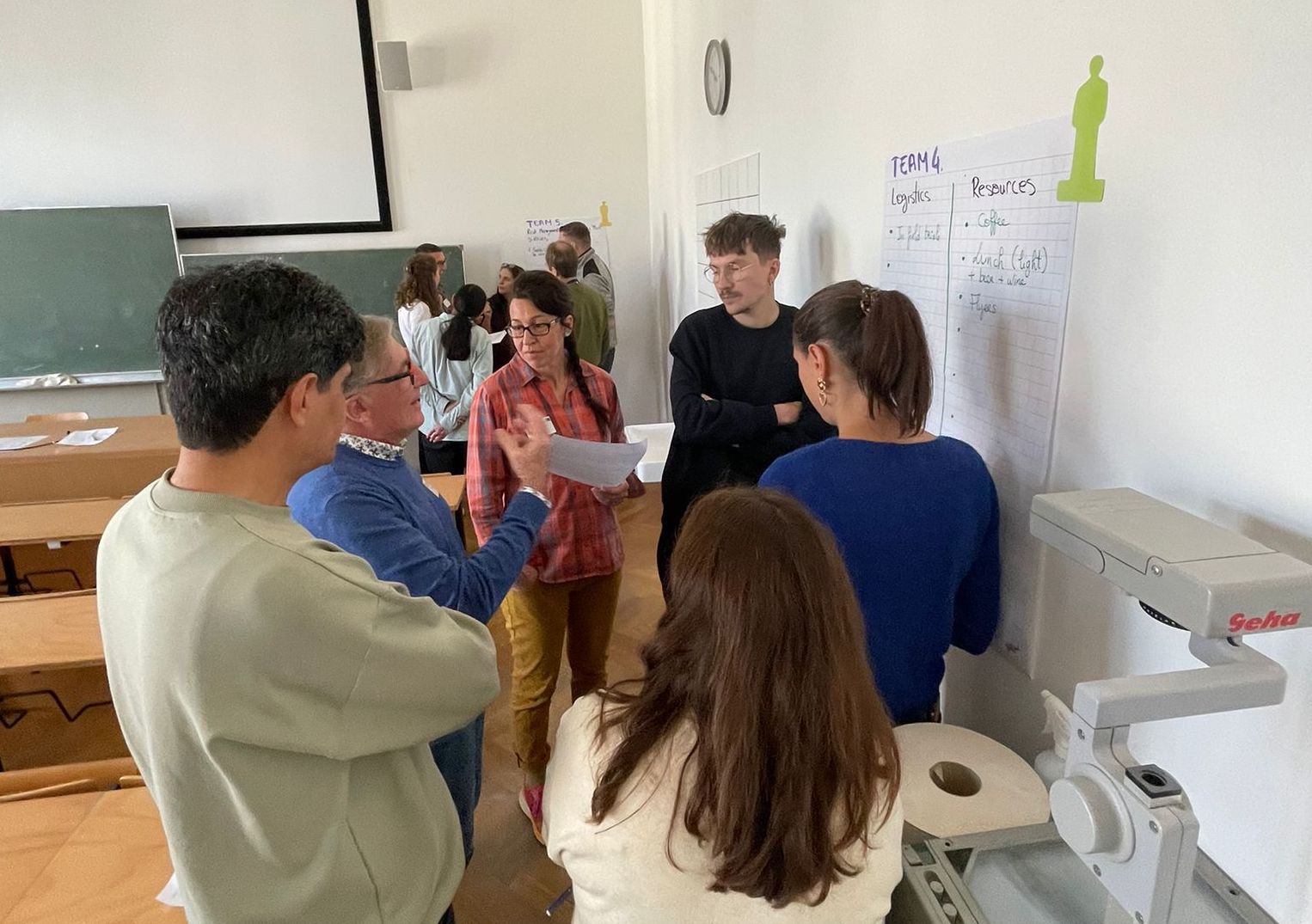
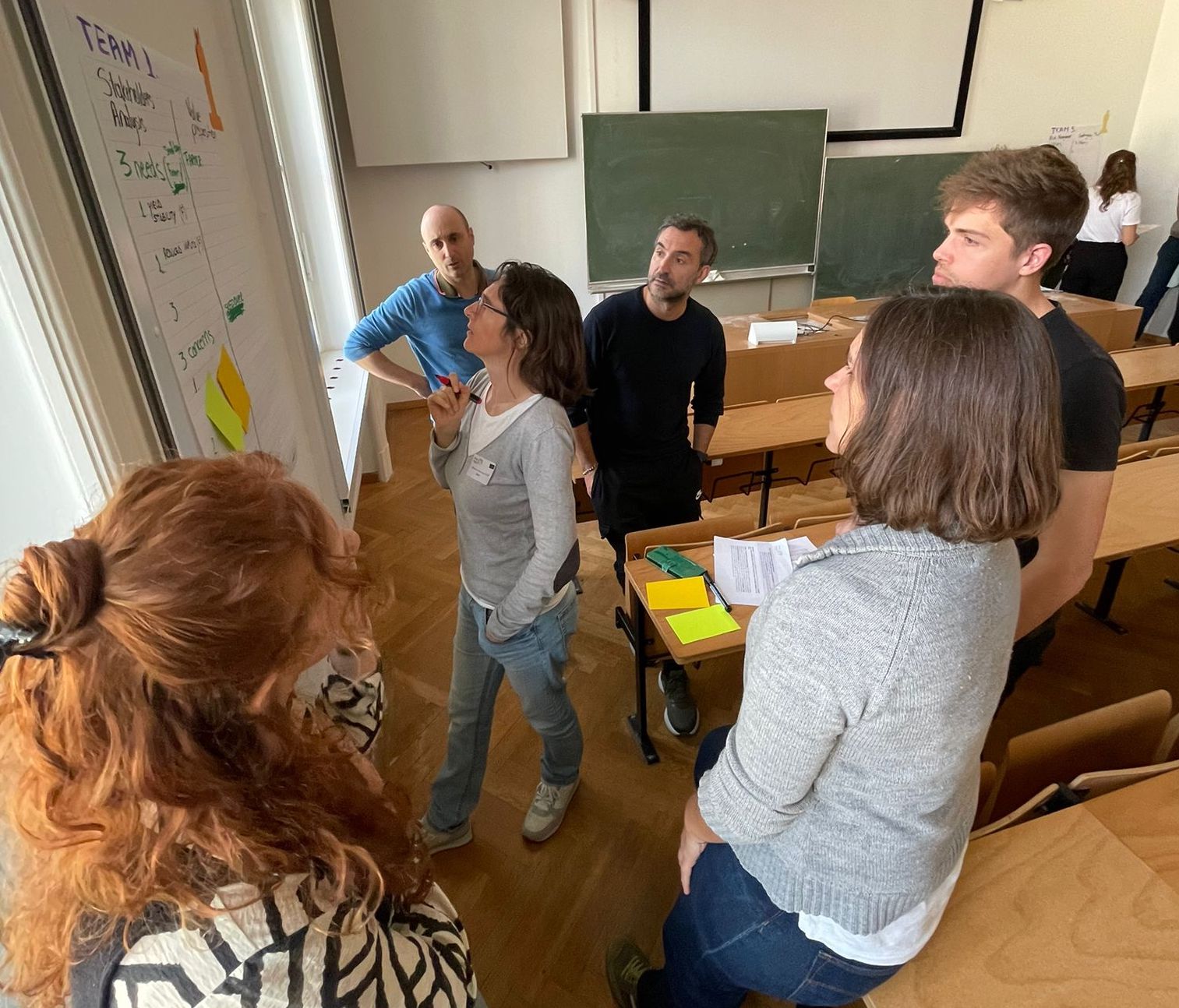
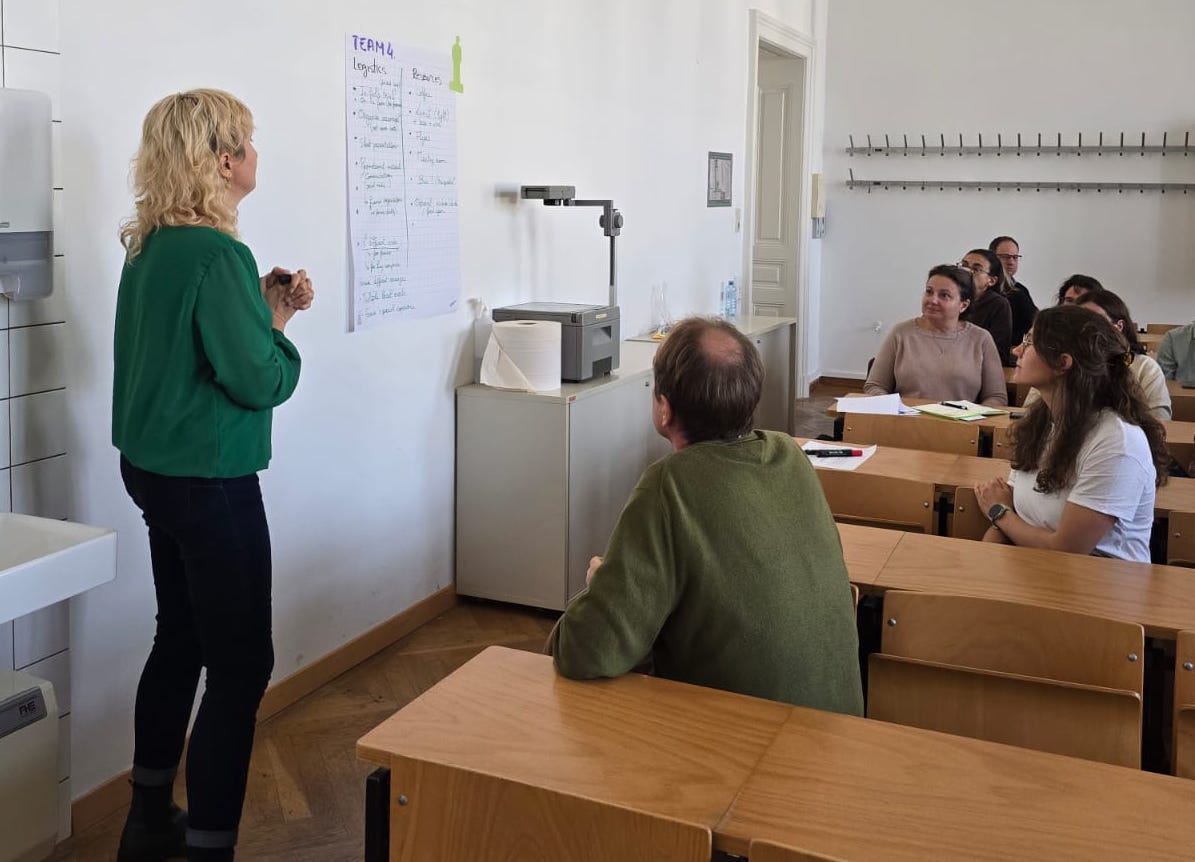
The Stakeholder Meeting Challenge: The highlight was an interactive workshop focused on “The Stakeholder Meeting Challenge.” Participants were immersed in a realistic scenario: planning a complex meeting to introduce new climate-resilient wheat varieties to diverse groups of farmers and plant breeders. By navigating the distinct concerns of skeptical conventional farmers versus commercially-driven seed companies, partners learned how to tailor their communication and effectively manage multi-actor dynamics.
Why this training matters
HCC’s intervention ensures the consortium is immediately equipped to proactively involve key stakeholders throughout the project lifecycle. This foundational training guarantees that the innovative research produced will not remain theoretical. Instead, it will be validated by end-users, packaged for policy relevance, and ultimately adopted in the field.
The successful two-day meeting in Vienna has laid a strong, collaborative foundation, confirming the consortium’s commitment to not only producing excellent research but also maximizing its practical uptake and sustainable impact across Europe.