HCC successfully coordinated Work Package 7: Policy Analysis and Roadmap Creation, bringing our expertise as facilitators and policy specialists to the forefront. We led the development of user-friendly policy programming tools, a comprehensive policy roadmap, and a “Quick Start” policy draft and toolkit for policymakers, all designed to connect seamlessly with the visual tools created in WP3 and implemented in WP1.
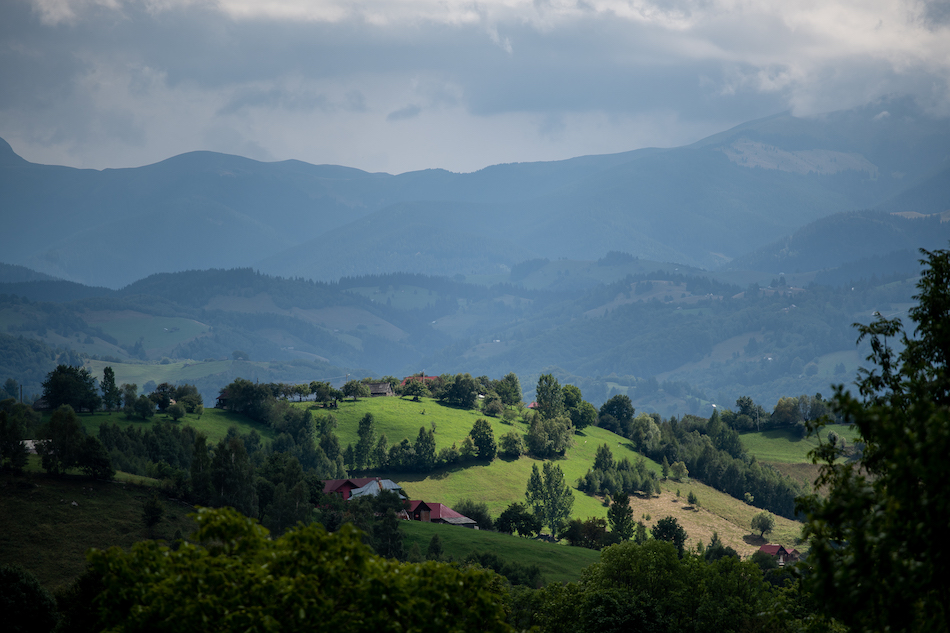
In addition, HCC coordinated case studies in WP4 for two of the project’s 23 reference regions: Romania’s Piatra Craiului Mountains and Bulgaria’s Stara Planina Mountains, ensuring local realities were captured and reflected in project outcomes.
HCC Key contributions:
-
Policy
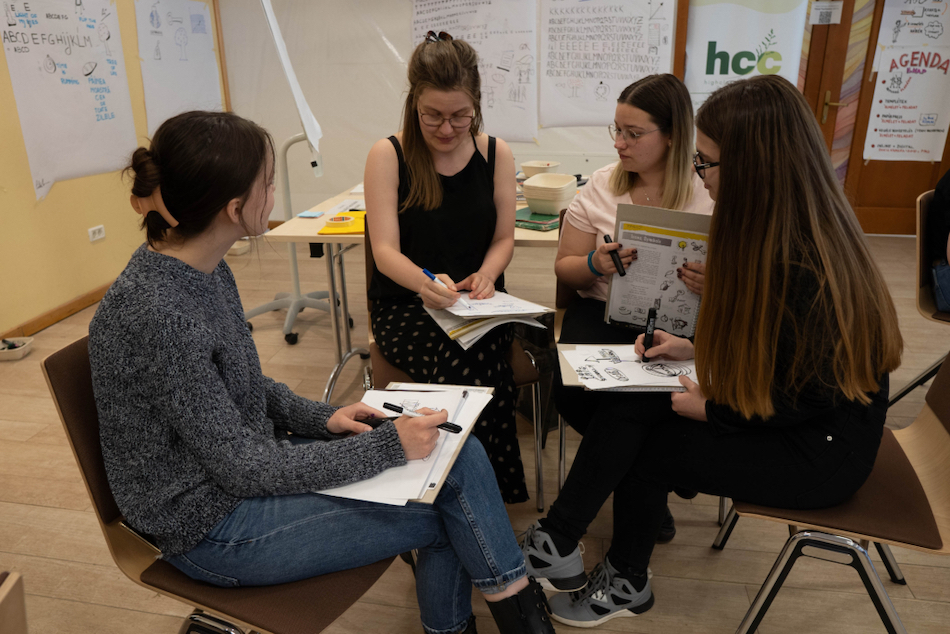
HCC led the policy dimension of the MOVING project, coordinating the development of the Policy Roadmap and contributed to the Quick Start Policy Design Toolkit. Through these flagship outputs, we worked to co-produce actionable recommendations for EU, national, and local policymakers. The Roadmap set out 30 concrete policy recommendations structured around eight building blocks, while the Toolkit provided practical, step-by-step methods to design policies grounded in local realities. By bridging science, society, and policy, HCC positioned mountain communities at the heart of decision-making, ensuring that resilience, sustainability, and local voices guide the future of Europe’s mountain areas.
-
Certified eco-tourism and stakeholders
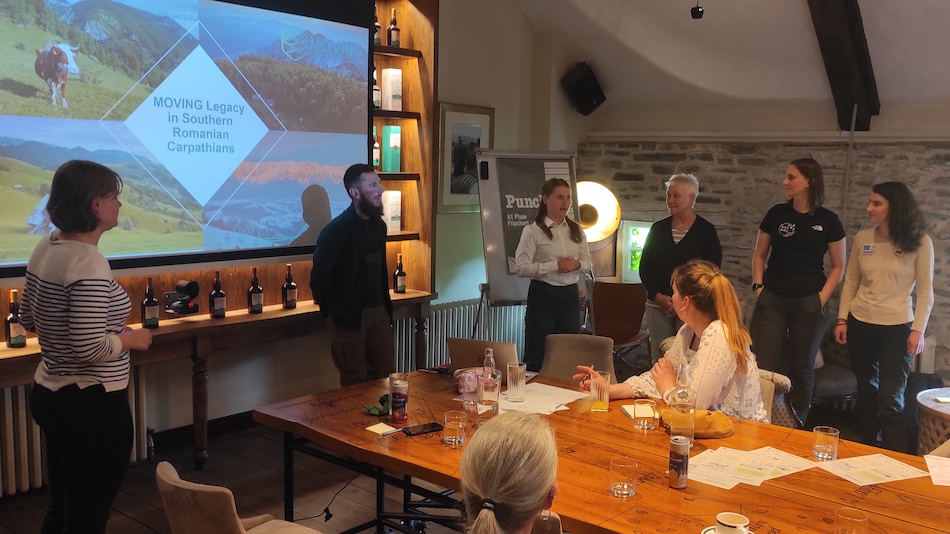
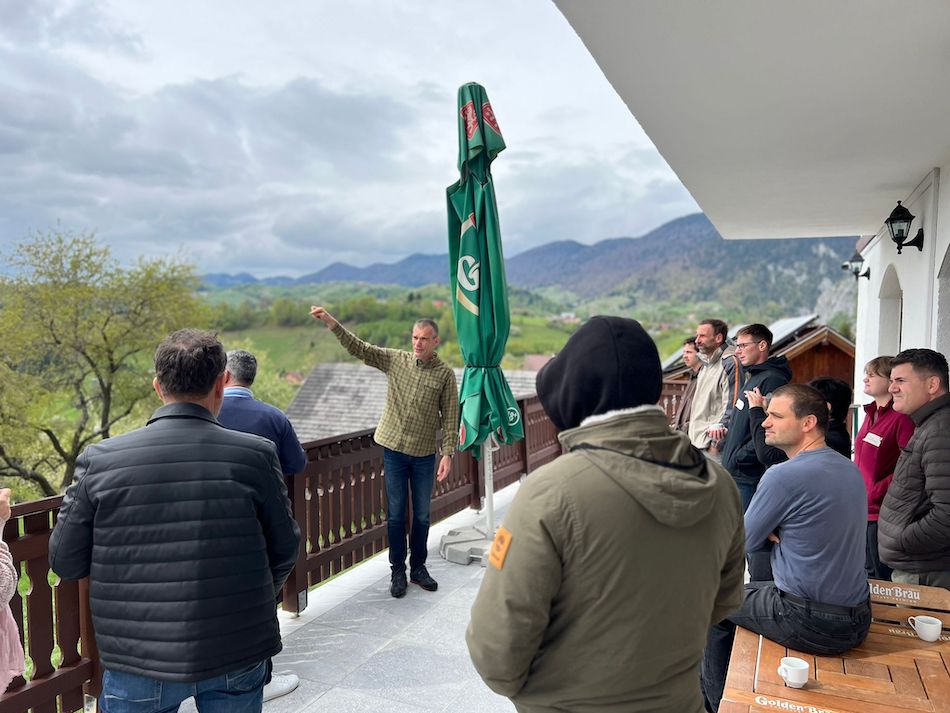
engagementHCC team dedicated significant effort to strengthening the certified ecotourism value chain within the Zărnești–Piatra Craiului area, which is recognized as Romania's first certified eco-destination. A core activity involved convening key local stakeholders—including the private sector, public authorities, and conservationists—to collaboratively debate current challenges and co-create strategic future scenarios for the region's long-term sustainability. This approach ensured that the growth of the ecotourism sector was strategically aligned with the preservation of the area's natural and cultural heritage. We strongly encouraged and facilitated the direct participation of local community representatives from the Southern Carpathians in high-level discussions in Brussels.
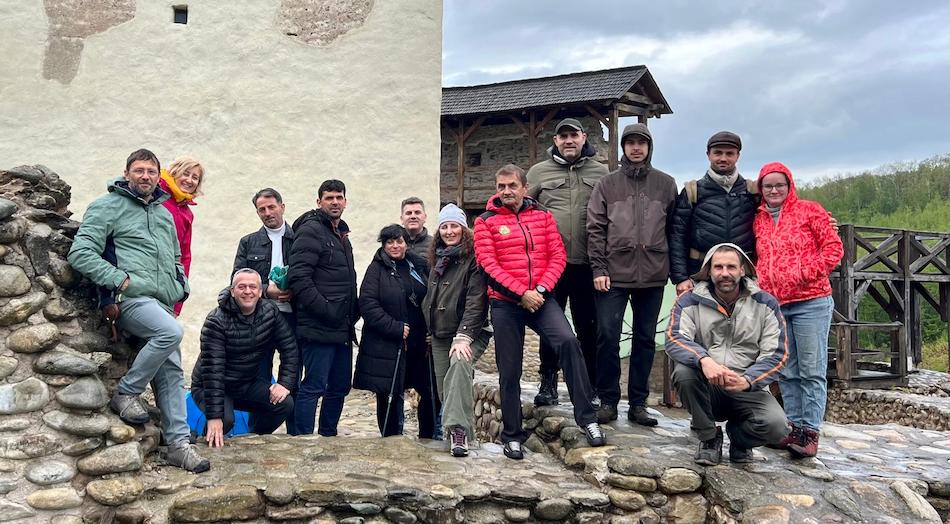
To enhance this local strategic planning with broad European experience, we simultaneously facilitated two crucial international exchange initiatives. We first hosted partners and stakeholders from North Macedonia, Serbia, and Hungary to encourage the sharing of best practices regarding ecotourism and conservation models across different regions. Following this, we organized a study visit for our local Romanian stakeholders to the Cairngorms, Scotland, providing them with direct exposure to one of Europe's most successful models for integrated mountain governance and sustainable tourism management. By combining focused local strategy with intentional cross-country learning, the project significantly advanced the capacity for managing certified ecotourism, ensuring the model is both profitable and resilient. -
Local youth engagement
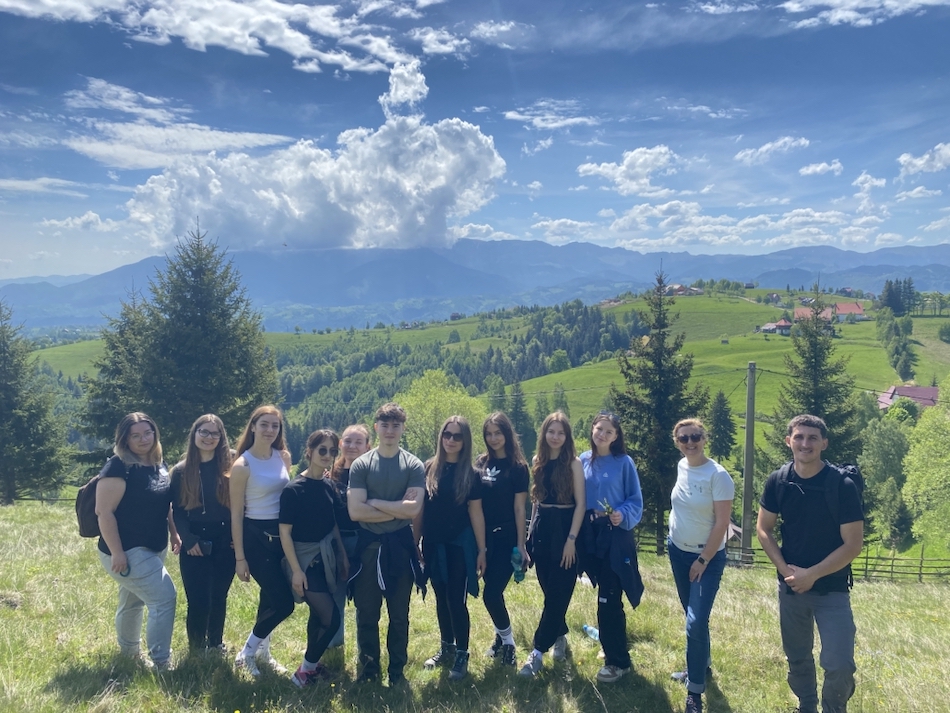
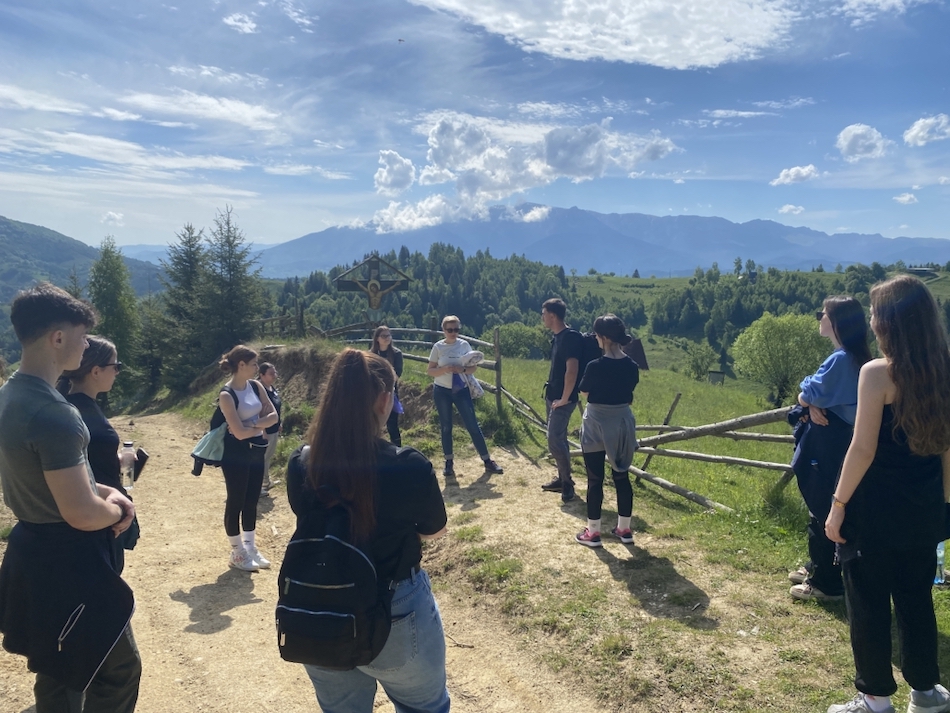
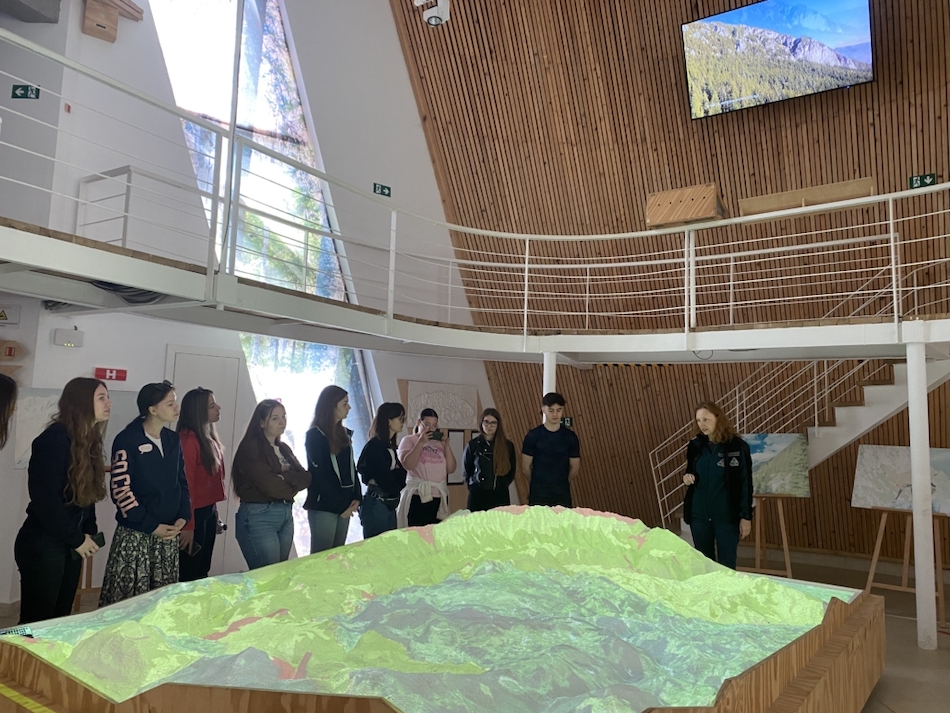
HCC placed a strong focus on youth engagement and certified ecotourism in Romania’s Southern Carpathians. We involved over 130 young people through workshops, field visits, and a Summer School, raising awareness of sustainable tourism, quality schemes like Mountain Products and Local Gastronomic Points, and the importance of biodiversity. At the same time, we highlighted the Zărnești–Piatra Craiului eco-destination as a successful model for linking conservation, local entrepreneurship, and community benefit. Through these initiatives, HCC positioned youth and ecotourism as key drivers for resilient and sustainable mountain communities.
-
Mountain Products quality scheme
HCC carried out in-depth research on the Optional Quality Term (OQT) “mountain product” in Romania, exploring both producer and consumer perspectives. Our studies revealed strong producer interest in certification, supported by a straightforward registration process, but also highlighted gaps in marketing and promotional support. On the consumer side, we found that while origin and authenticity are key purchase drivers, awareness of the official “mountain product” label remains limited, with many unsure about paying a premium for certified goods. By combining registry analysis, surveys, and field research, HCC has generated actionable insights to strengthen the visibility, credibility, and impact of the Mountain Quality Scheme in supporting rural economies and sustainable value chains.
Read more about the local activities in the MOVING project.
MOVING Project summary
Mountain areas are often described as Europe’s “undervalued ecological backbone”, with many of their assets and challenges still insufficiently understood. MOVING set out to change this by developing collaborative tools and policy guidelines to strengthen the connectivity, sustainability, and resilience of mountain regions. The project assessed existing value chains across Europe’s mountain areas, with in-depth analysis of 23 reference regions in 16 countries, reflecting the continent’s diversity.
Central to MOVING was the creation of a European-wide Community of Practice on mountain value chains, built on Multi-Actor Platforms (MaPs) that connected stakeholders, policymakers, and researchers to co-design and validate research results, ensuring knowledge was grounded in real needs and had tangible policy impact.
Funding program: H2020-RIA-Research and innovation action
Project number: 862739
Period: 1 January 2020 – 31 December 2024
HCC key persons: Cătălina Rogozan, Mark Redman
Key words: #Mountains #Sustainability #PiatraCraiului
Resources: https://www.moving-h2020.eu/